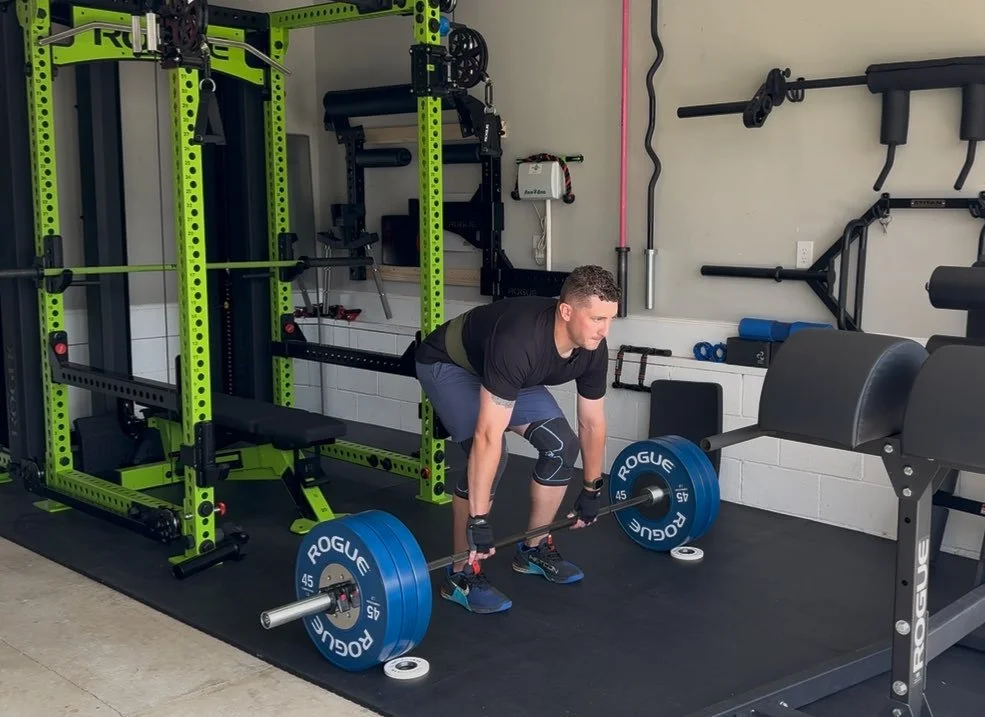

Kensui Sapporo Swiss Bar & Calibrated Gold Plates Review: Worth It for Home Gyms?
By Drew | Iron and Lime Fitness
Last Updated: Feb 2026
Iron and Lime Fitness is independent and supported by readers. We may earn a small commission at no cost to you if you buy through an affiliate link.
Full transparency upfront: Kensui sent me the Sapporo Swiss Bar and their calibrated gold plates for this review at no cost. No script, no required talking points, just their gear and my honest take. That's always been the standard here, and it isn't changing. With that out of the way, let's get into it.
Why I Said Yes to This One
I don't take every product that comes my way. The home gym space is flooded with companies that want exposure, and most of what gets sent around isn't worth your time or mine. But when Kensui reached out, I saw it as a legitimate opportunity to evaluate something outside my usual rotation, a Swiss bar and calibrated plates from a brand I hadn't reviewed before.
My job is always to look at gear through the lens of the actual home gym owner. Not a commercial facility. Not a sponsored athlete who doesn't pay for equipment. And most certainly, not a mega YouTuber (for the record, I am none of those three things). Just someone who built their gym piece by piece, cares about what goes in it, and needs to know whether a purchase is going to hold up and actually serve them.
That's the lens I used here.
Check out the Youtube video below
First Impressions: The Chrome Question
The first thing you notice when you pick up the Sapporo is that it's a chrome bar. And if you've been following Iron and Lime for any amount of time, you know I'm not usually a chrome guy.
Chrome looks sharp, no argument there. But my experience with chrome goes back twenty-plus years to a chrome curl bar that eventually chipped and started showing wear. It also gives me Harley Davidson vibes, which is not a bad thing, but I can’t not think of HD when I see chrome. That said, I haven't used chrome regularly in a long time, and the technology and production quality of chrome finishes may have improved since then. I genuinely don't know how this bar will hold up long term on that front, but I’m curious to see.
What I do know is this: if you're cross-shopping in the Swiss bar category, be aware that this is a chrome finish. It matters depending on your environment. If you train in a humid garage, live somewhere with temperature swings, or tend to keep bars for a long time and want low maintenance, chrome is worth thinking about. Stainless steel and Cerakote are still my personal preference for longevity. That's not a dealbreaker. A lot of people use chrome bars for years without issue. I'm just bringing it up because it's something that many people will care about.
The Balance Issue: Handle Heavy and What It Means for You
Here's where I want to spend some real time, because this is the most significant characteristic of this bar and the one you'll feel immediately.
The Sapporo is handle heavy. If you set it down on a flat surface and let it roll, it will always settle with the bar at the bottom and the handles pointing up. The mass is concentrated toward the center of the bar. When you pick it up, your hands are holding the heaviest part of the bar, and the sleeves are comparatively lighter.
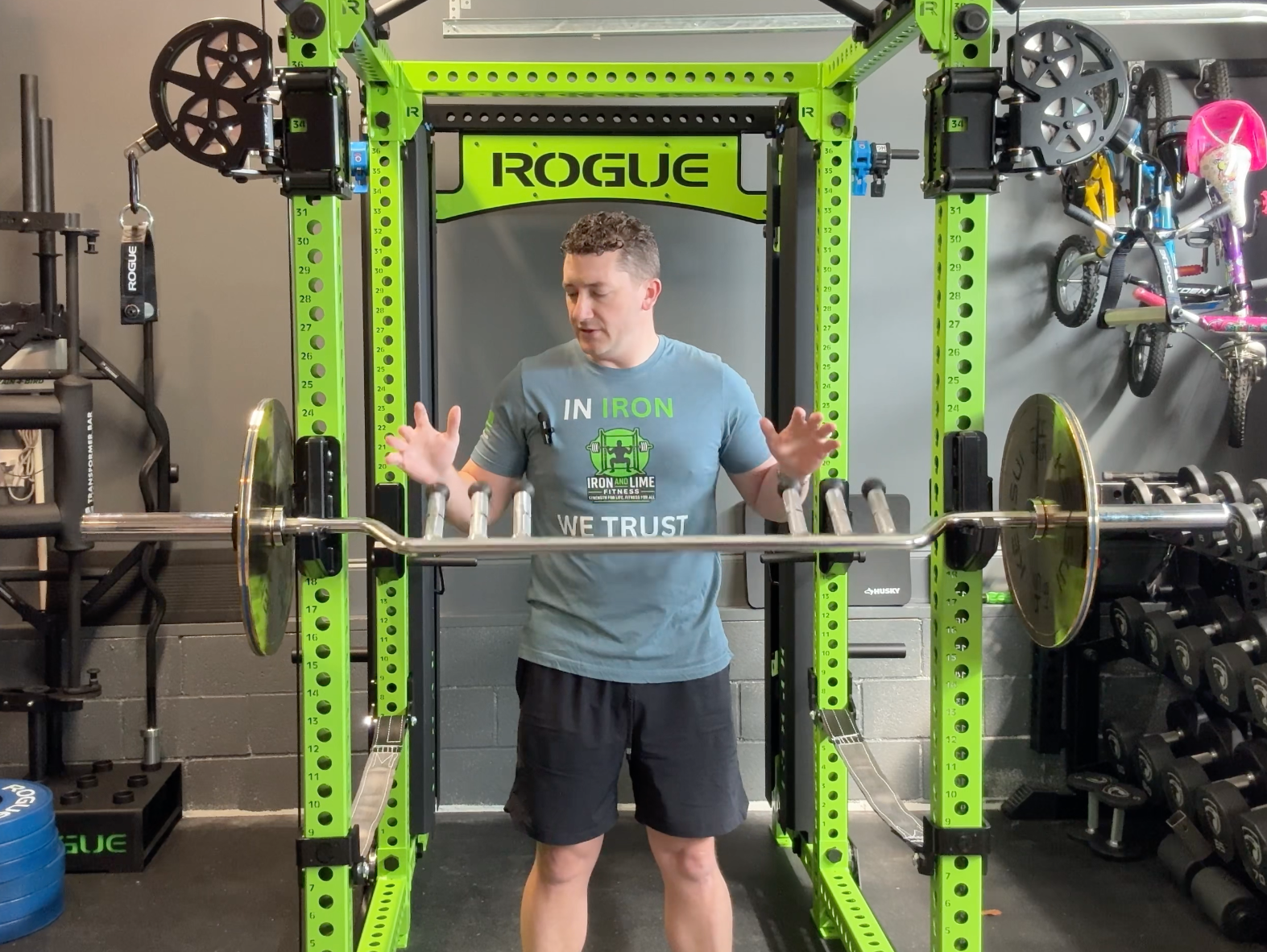
The Sapporo will always try to roll bar down, handles pointed up.
For reference, something like the Rogue MG-4CN distributes weight differently, and that bar feels more neutral in your hands. If you've trained extensively with traditionally balanced barbells or even other Swiss bars with better weight distribution, you will notice the difference in the Sapporo immediately. I noticed it the moment I unracked it.
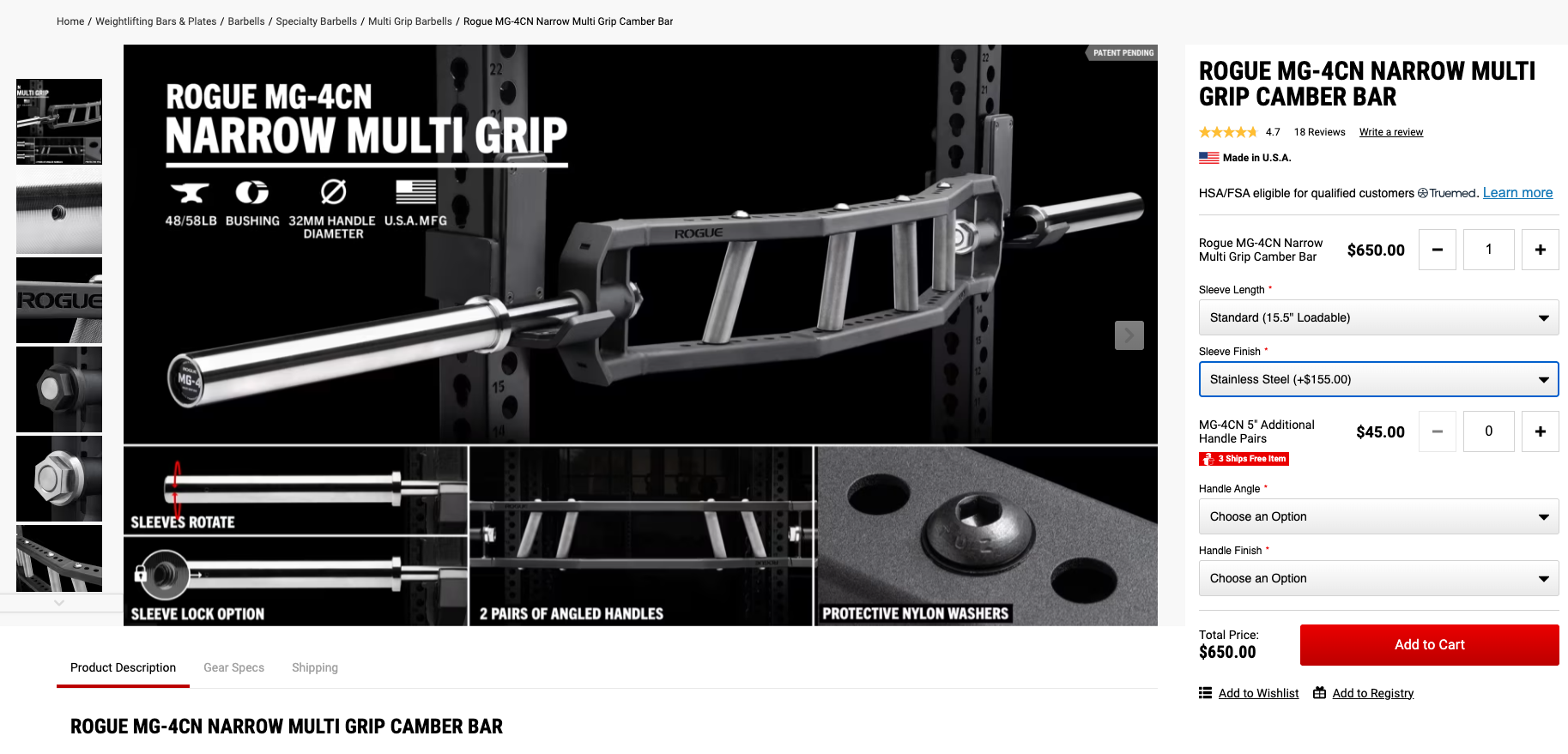
The Rogue MG-4CN would be my luxury pick, but as you can see, it’s more than twice the price for the variation I would choose.
Now, here's the honest answer about whether that matters: it depends on what you're using it for, and you adjust. The handle heavy nature of this bar shows up most noticeably on the overhead press and on any movement where you're balancing the bar over your centerline. It's not insurmountable. It's not a safety issue. But if you go into this bar expecting it to feel like a Rogue or American Barbell specialty bar at the same price point, you'll be surprised.
Set expectations correctly, and you can work with it.
Sleeve Tolerances: Not the Tightest, But Swiss Bars Get a Pass
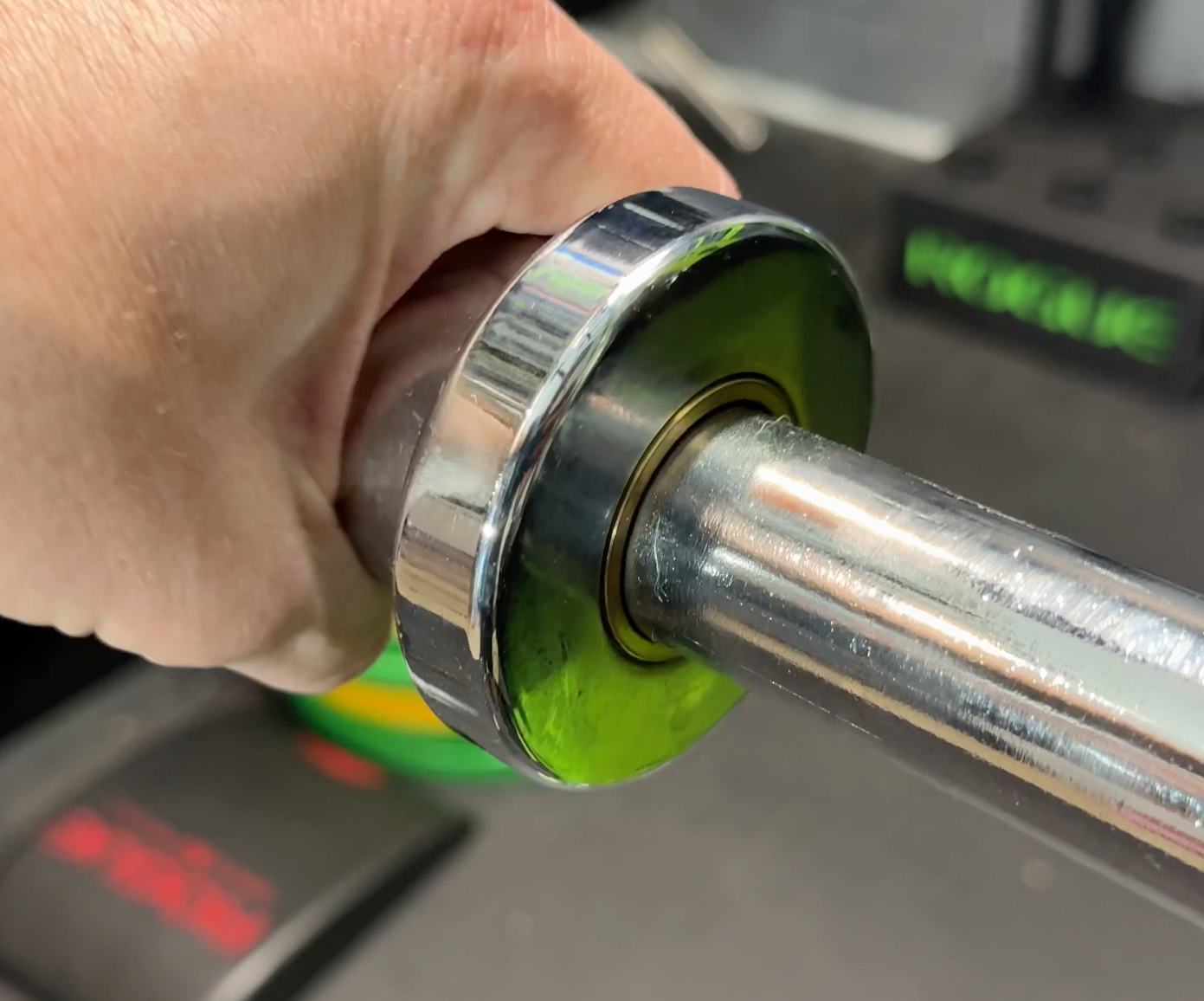
There is play in the sleeve bushings, be aware of that depending on how you plan to use the Sapporo
The other thing worth addressing is the sleeve play. There's more movement in the bushings than what I'm used to on premium Rogue barbells. It's not alarming, the bar is built solidly and the sleeves spin smooth, but the tolerance is looser than, say, a Rogue Ohio Bar or a Rogue Ohio Power Bar (both of which have my highest recommendation after years of use).
On a straight barbell, that level of sleeve play would bother me more. On a Swiss bar, it matters less because you're rarely doing movements where tight sleeve tolerances are critical to performance or safety. The exception is if you plan to do RDLs or any movement where the bar contacts the floor. When the plates hit the ground with some lateral sleeve movement (check out the YouTube video for the sound), you're going to get noise. Not dangerous, just noisy. And it’s worth knowing ahead of time.
The Six Movements: How the Sapporo Actually Performs
Kensui markets this bar around six primary movements. Let's go through each one honestly.
Neutral Grip Bench Press
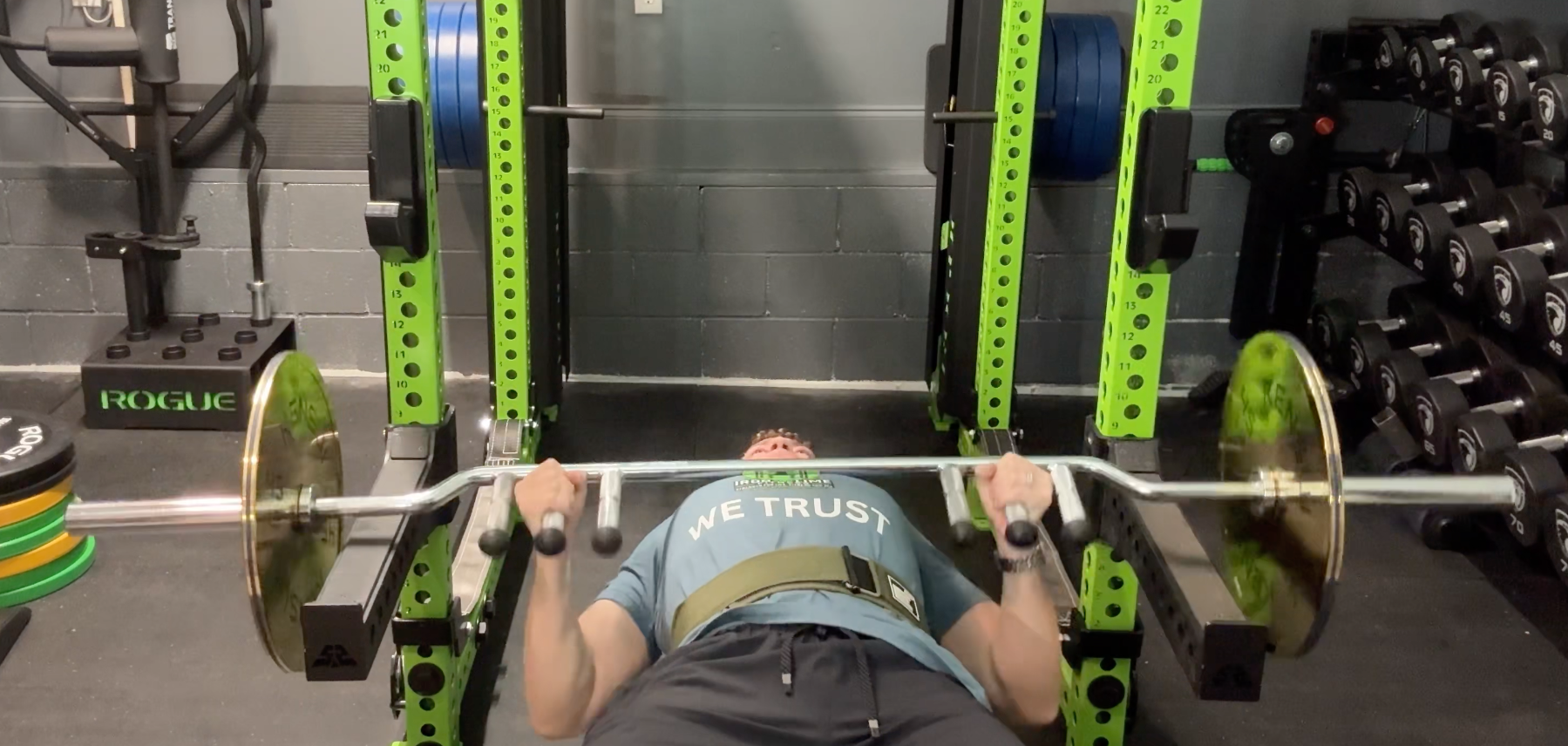
Neutral grip with the Sapporo allows better depth than a traditional barbell bench
This is the bread and butter of a Swiss bar, and the Sapporo does it well. You have three grip width options, which gives you real versatility depending on your shoulder structure and what position feels most natural. The pressing position is stable, the bar doesn't wobble, and if you've been dealing with shoulder irritation from a straight bar, this will give you noticeable relief.
The one adjustment you'll make is loading a little lighter than you think you need to until you've calibrated to the handle-heavy feel. Once you understand where the balance point is, you can train productively.
Kensui did a good job with grip spacing on this bar. That's one of the places they clearly put attention.
Overhead Press
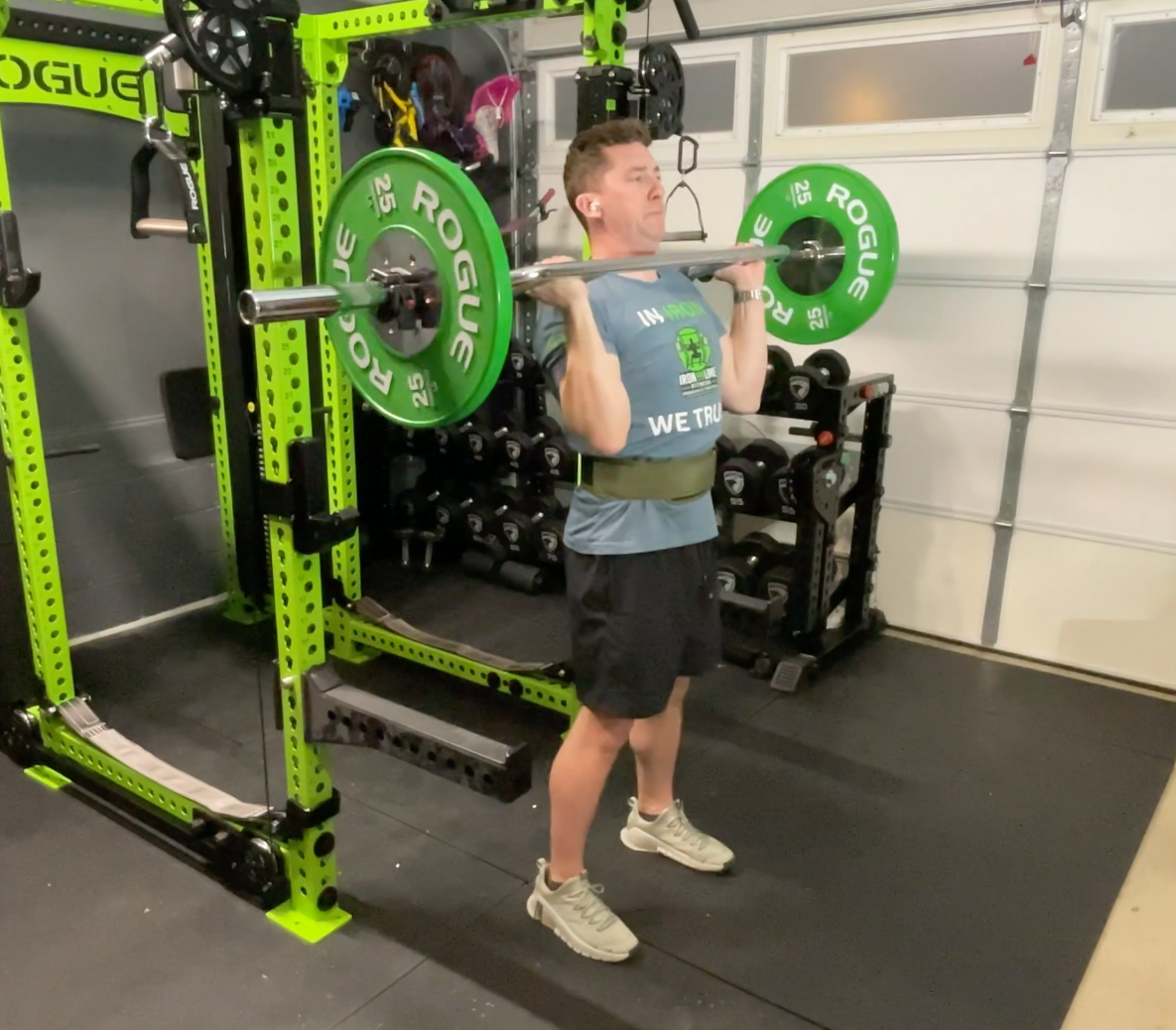
The Sapporo bar offers a comfortable grip position on military press
The neutral grip overhead press feels natural and strong. The shoulder-friendly position is immediately apparent, and if you have any degree of internal rotation restriction or shoulder discomfort from a straight bar OHP, this bar gives you a clean solution.
The balance characteristic shows up here more than on the bench, because you're pressing the bar directly overhead and any unevenness in how the weight is distributed becomes more noticeable. Once you account for it, consciously adjusting where you're holding relative to the balance point, the press is solid.
Bent Over Rows
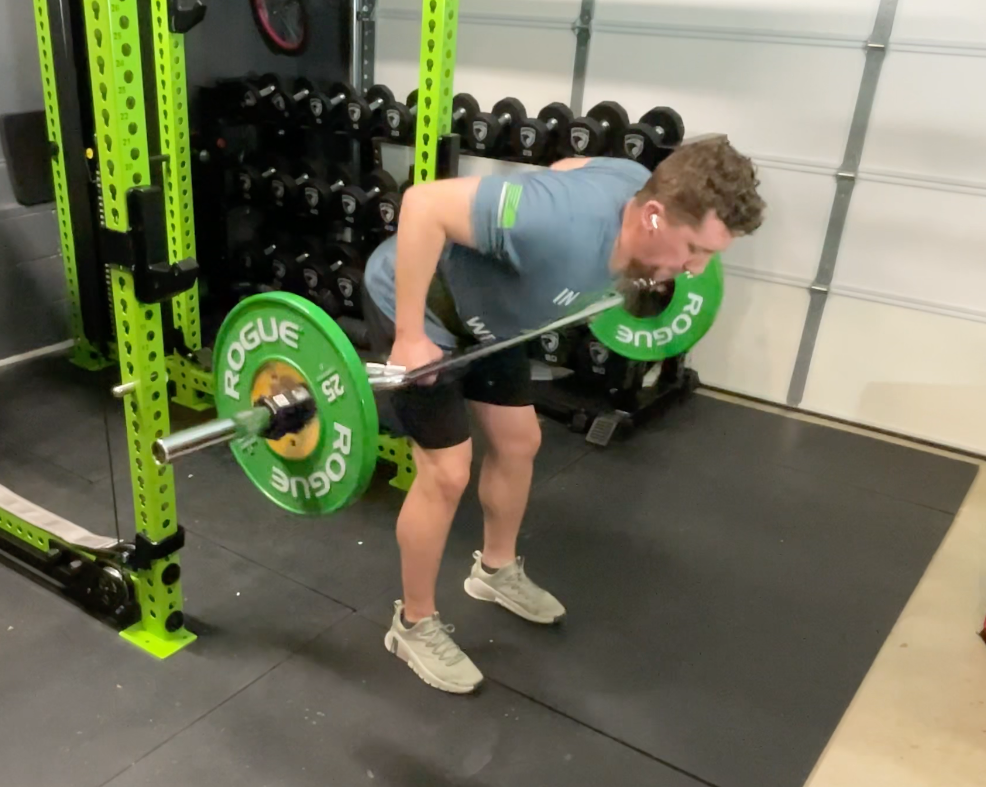
Honestly, this is one of the strongest use cases for the Sapporo. The frame is stable, the three grip widths give you meaningful options for targeting different parts of your back, and the bar stays controlled throughout the movement. I really enjoyed rows with this bar. The neutral grip takes stress off the elbows and wrists in a way that a pronated grip with a straight bar doesn't, and the grip spacing options let you find a position that maps to your shoulder width naturally.
If you primarily bought this bar for pressing but rows aren't on your radar, put them on your radar. This bar is legitimately good for them.
Romanian Deadlifts
Doable, but this is where the sleeve play becomes a more relevant factor. If the bar touches the floor at the bottom of your ROM, the lateral sleeve movement causes noise. It's not a structural issue and the bar isn't going to fail on you, but it's not a tight, precise feel. If you're used to pulling with something like a Rogue deadlift bar or a stiff competition-spec bar, the Sapporo won't match that feel on RDLs.
If your RDLs don't contact the floor, this is less of a factor. But be realistic about what you're getting here.
Shrugs
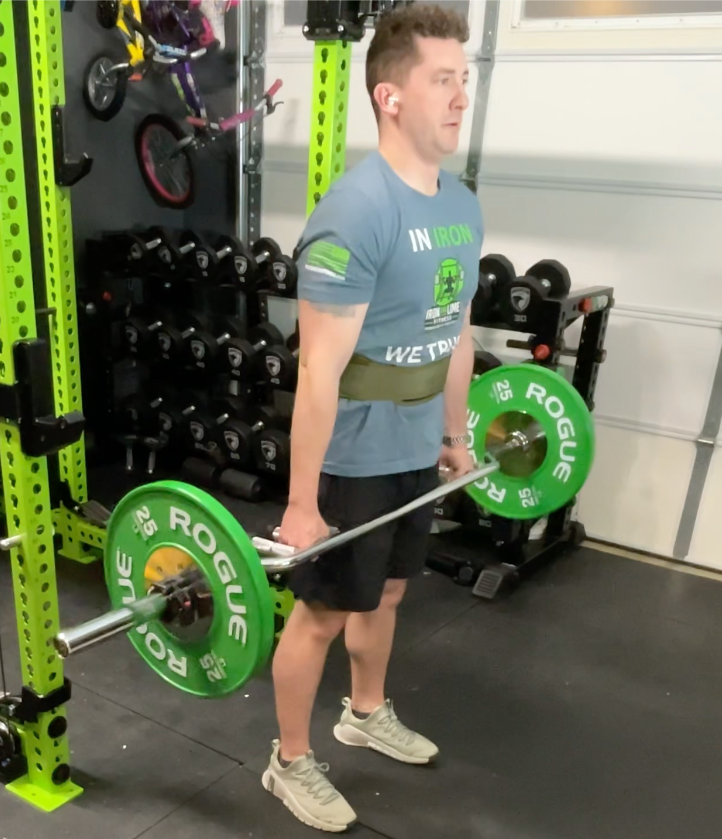
This is arguably where the bar earns its keep the most. The neutral grip with the Sapporo's handle placement creates a natural hang position that just works for shrugs. Your hands are in a comfortable position, there's no wrist torque like you'd get from a straight bar, and the three grip widths let you find the exact position that lets you get full range of motion. I was genuinely impressed with how shrugs felt on this bar.
Bicep Curls
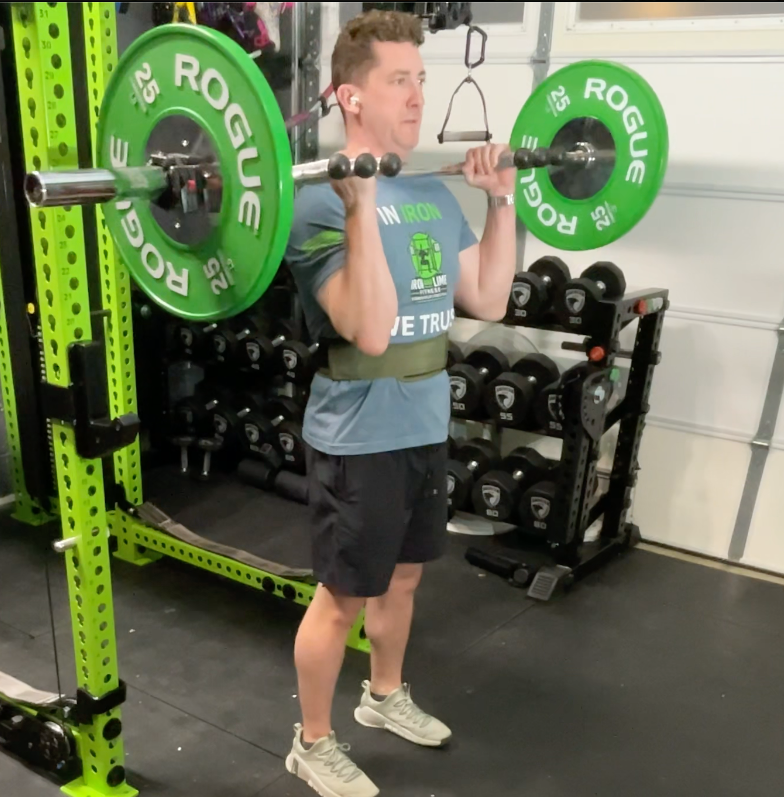
The angle is a little steeper than a traditional straight bar curl, which takes some adjustment. But the bottom position is comfortable, extension is full, and the joint-friendly positioning is noticeable. If straight bar curls have ever bothered your wrists or elbows, this setup is worth trying. Not a dramatic improvement over an EZ bar, but in the same neighborhood and useful if you already have the Swiss bar loaded.
The Gold Calibrated Plates: Who Are These Actually For?
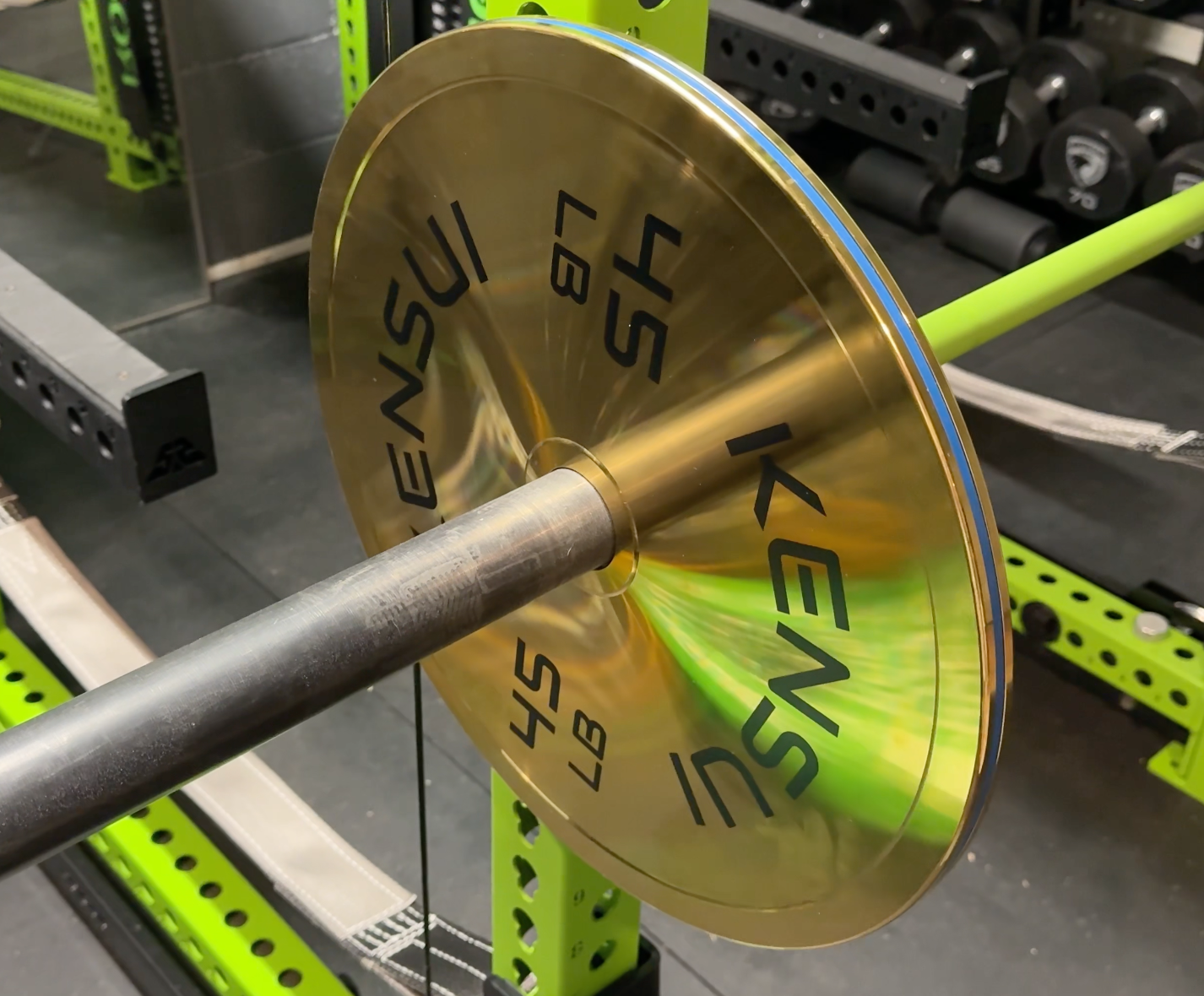
Let's talk about the plates separately, because they have a different buyer than the bar might.
The Kensui calibrated gold plates are thin, steel calibrated plates with a gold finish. Visually, they're aggressive. If you're building a gym with a deliberate aesthetic and gold fits your setup, these plates look excellent. They sit tight on the sleeves with minimal lateral movement, and they slide on and off easily.
From a function standpoint, the thin profile means you can load more weight in less sleeve space. If you're training heavy and maximizing plate capacity on the bar matters to you, particularly if you're a powerlifter or someone who regularly gets into four-plus plates per side territory, these make real sense.
A couple of honest considerations though:
First, I'm primarily a bumper plate person. I like the feel and the loading experience of bumpers for most of my training. The calibrated steel plates are harder to grip when you're loading and unloading, and you do need to watch your fingers when sliding multiple thin plates together. It's not a dangerous situation, it just takes adjustment if you're used to bumpers with a lip.
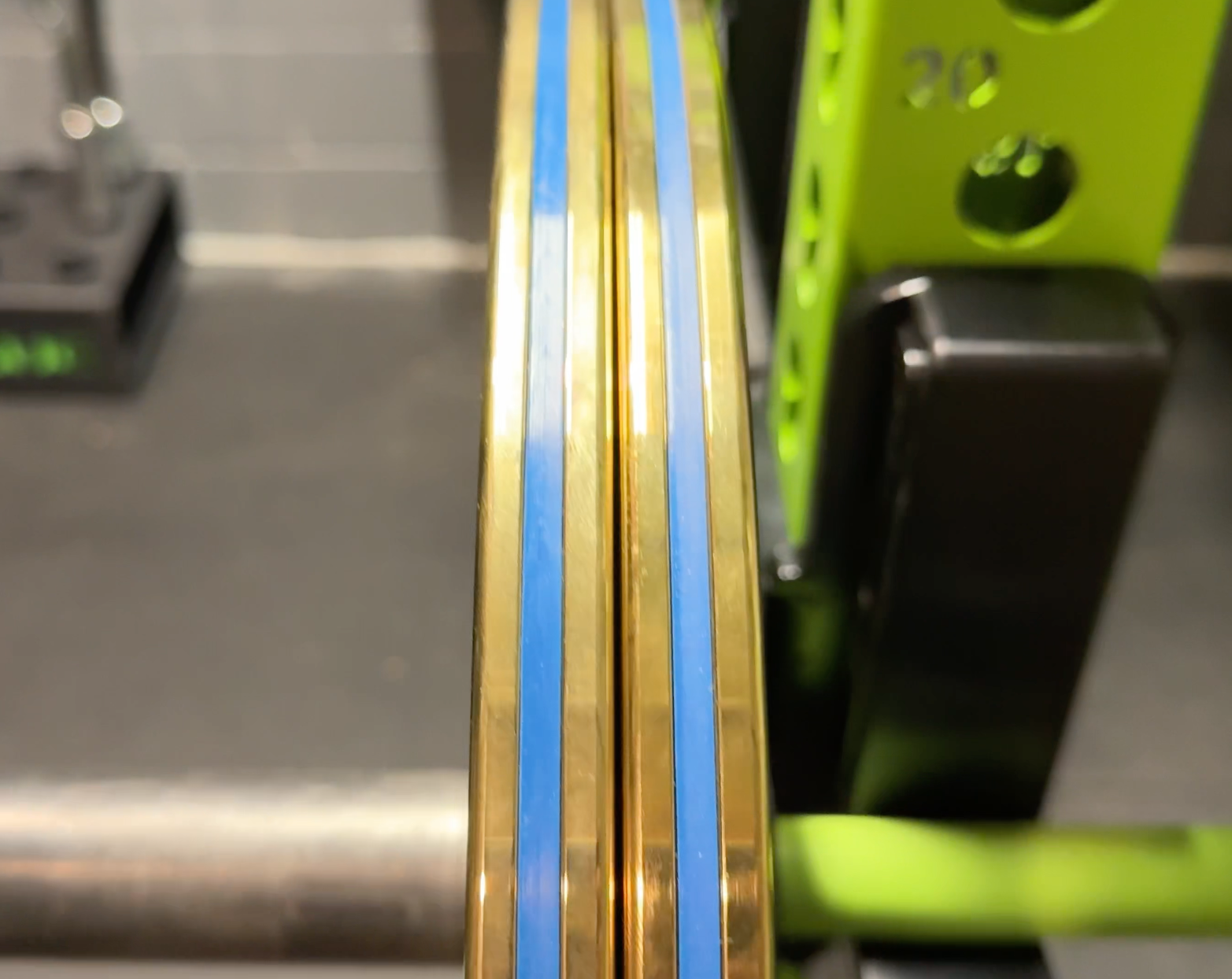
Second, if you don't regularly load enough weight to benefit from the thin profile, meaning you're not squeezing every inch of sleeve space, calibrated plates are more of a luxury than a necessity. They're not a bad purchase. They're a nice one. But be honest about whether you actually need them or whether you're buying them because they look good.
There's nothing wrong with the second answer, by the way. Aesthetics matter in a gym you spend time in. Just go in clear on what you're getting.
The Honest Verdict
Here's where I land after a week of use, with more time planned in rotation over the coming weeks.
The Kensui Sapporo is a functional, legitimate Swiss bar. It is not an ultra-premium specialty bar. The chrome finish, the handle-heavy feel, and the looser sleeve tolerances tell you that clearly. If you go into this bar expecting Rogue MG-4CN performance at Rogue MG-4CN prices, you're going to be disappointed, but that comparison isn't fair, because the Sapporo isn't priced like that.
What Kensui did well is price this bar appropriately for what it is. It's attainable. It addresses real problems, shoulder health, grip variety, movement options, without asking you to spend specialty bar money to solve those problems. That's a reasonable trade.
The calibrated gold plates are purpose-built and do exactly what they're supposed to do. They're not budget plates, but they're a legitimate addition for someone who trains heavy and values the thin profile.
In my gym, equipment has to earn its place. It has to integrate well, support long-term training, and not create more problems than it solves. The Sapporo does that. It's not my favorite bar I've ever touched, but it's a real option, especially if budget is part of your decision-making and you want something that will actually help your shoulder health and give you movement variety.
I'm putting this into regular rotation for the next few weeks and will come back with an update once I've had more time to evaluate durability and how the balance characteristic feels after it's not new anymore. First impressions are useful. Long-term use is where bars either prove themselves or don't.
If you've used the Sapporo bar or Kensui calibrated plates, drop a comment. Curious how they hold up for people who've had them longer than I have.
That's the standard here. Usability for the home gym owner. Whether it supports long-term training. The Sapporo passes that test, with the caveats clearly documented.
- Drew
Iron & Lime Fitness
Let's Talk
If you've got questions about fitness, being a dad, the Army, or if the Kensui gear makes sense for your situation, drop a comment below or message me on Instagram (@ironandlimefitness) or Facebook. I reply to everyone because this stuff matters-your money, your training, your goals.
Support the Garage Grind:
This is a family-run operation. I do the videos, the editing, the writing, the filming, the socials, the marketing, the blogging, the website, and obviously the training-all while balancing a full-time job and three kids who just want to hang out.
If this review helped you make a decision or gave you information you couldn't find anywhere else, hitting Like and Subscribe is the best way to keep this thing going. No ads, no sponsors, no BS-just real reviews from a real gym.
If you want to shop my Rogue link and support the shop, head to the Rogue Fitness site.
Let's train hard and stay consistent.
Strength for Life. Fitness for All.
Barbells and Balance Things:
Watch the full video review on our YouTube channel
Kensui Sapporo Swiss Bar & Calibrated Gold Plates Review: Worth It for Home Gyms?
More Articles here:
Rogue Fitness CTM-1 Review: Is it better than the Rep Adonis Cable Tower for Home Gyms?
Moving the FM-6: Why Garage Gyms Must Evolve (And How to Survive the Move)
American Barbell 10-Sided Urethane Dumbbells Review: Commercial Luxury or Financial Mistake?
Here's Why I Wouldn't Buy The Rogue FM-6 Again: Rogue FM-6 Long-Term Review
Rogue Mutant Metals Ultimate Dip Attachment Review (1 Year Later): Is It Really Worth $365?
Rogue Kabuki Transformer Bar Review
Rogue Manta Ray Adjustable Bench Review
Rogue FM-6 Twin Functional Trainer Review
American Barbell Dumbbell Set and Rack Review
“Best Budget Gear for Building a Garage Gym”
Bells of Steel Safety Straps Review: A Perfect Fit for the Rogue FM-6
Train hard. Live bold. Stay lime.