
Rogue Sandwich J-Cup Too Tight? Here's How to Fix It (Calibration Kit Explained)
By Drew
Iron and Lime | Gear Help
Last Updated: Mar 2026
Iron and Lime Fitness is independent and supported by readers. We may earn a small commission at no cost to you if you buy through an affiliate link.
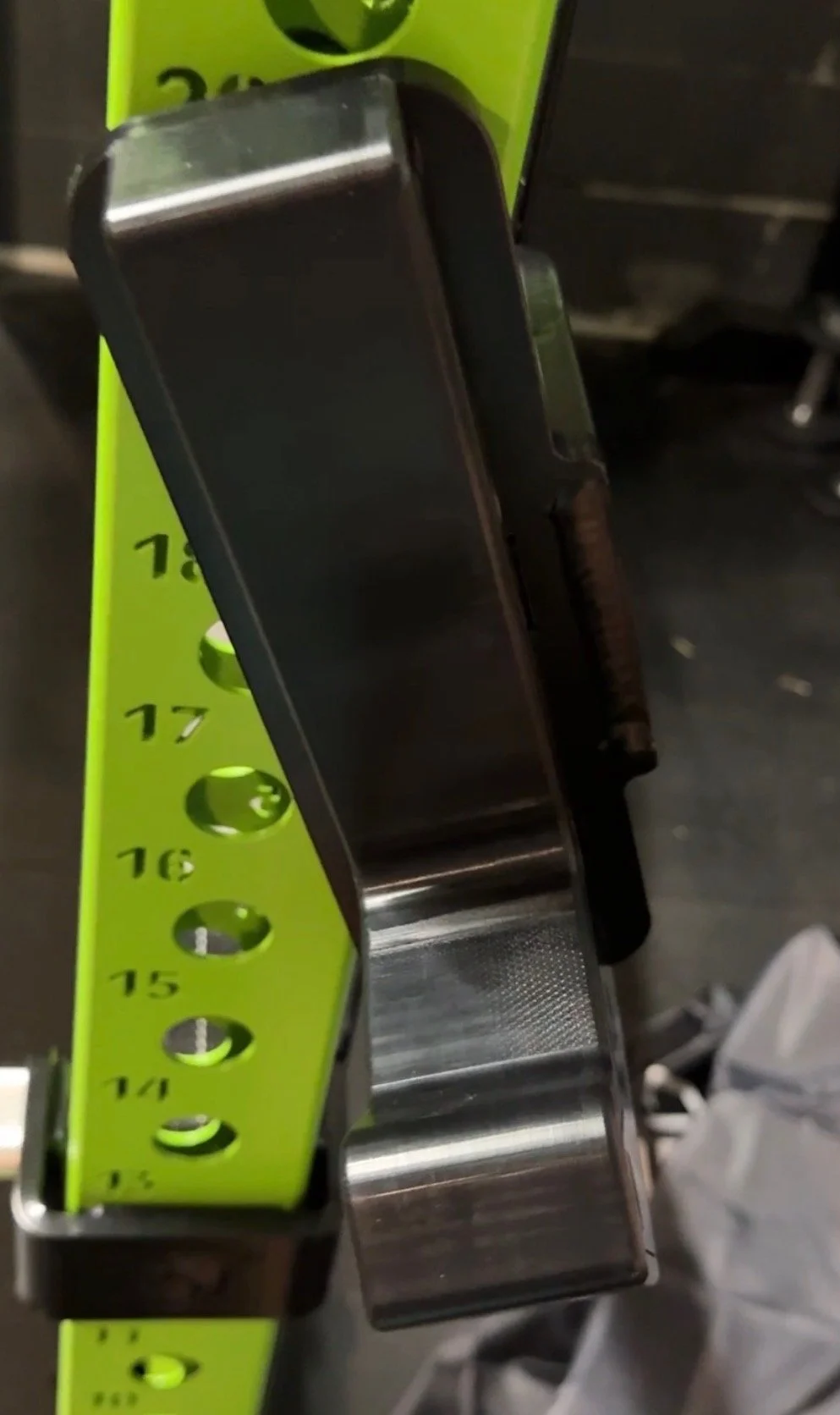
If your Rogue Monster sandwich j-cup won't slide onto your uprights, don't reach for a mallet. I made that mistake. And while UHMW isn't going to score your metal, forcing a too-tight j-cup will eventually eat into the powder coat. There's a better way, and Rogue actually has a tool for it.
This article walks through the exact process I used to diagnose and fix an out-of-tolerance Rogue Monster sandwich j-cup, including what the Rogue calibration kit is, what's in it, and how to use it. I couldn't find much on this topic when I went looking, so hopefully this saves you some time.
Quick answer: If your j-cup is too tight, film the issue and contact Rogue support. They'll assess whether it's within tolerance, and if it's not, they'll send you a calibration kit to dial it in.
What Are Rogue Monster Sandwich J-Cups?
Rogue Monster uprights are three-by-three inch steel. The sandwich j-cup has metal that holds both sides of the UHMW (ultra-high-molecular-weight polyethylene), that's where the "sandwich" name comes from, and is lined on the contact surfaces with UHMW. It serves two purposes: it protects your barbell from getting chewed up on the steel, and it protects the uprights themselves. It also gives you a little extra lateral clearance when re-racking, which matters more than you'd think if you've ever tried to rerack a wide bar on a tight rack.
The j-cup is designed to slide down onto the upright smoothly, engage the hole, and sit flush. That's all it needs to do. But occasionally, as I found out, the UHMW liner comes from the factory slightly thicker than it should be, and the fit is too tight to work correctly.
Check out the Youtube video below
My Situation: When Tight Becomes a Problem
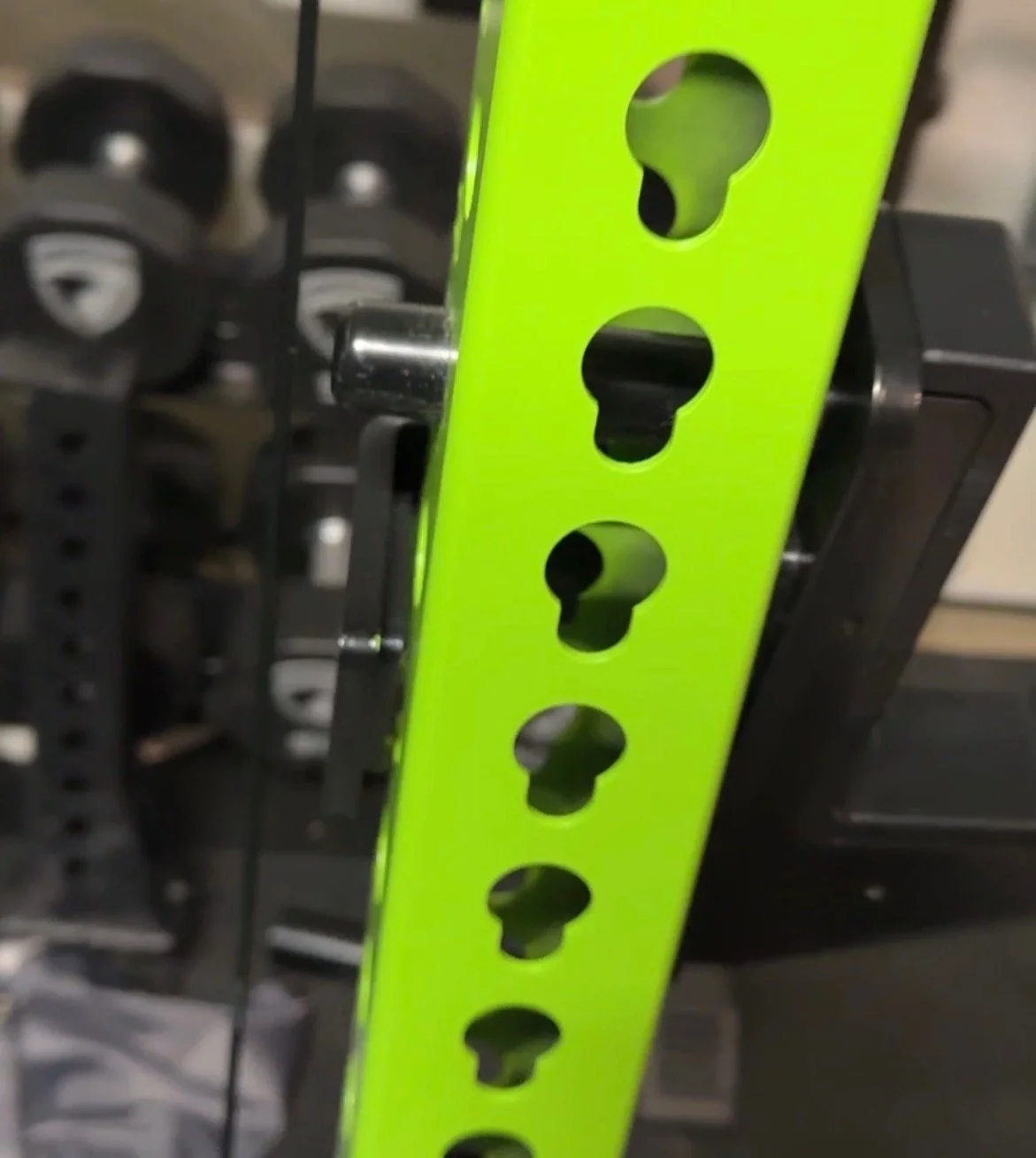
I've been running Rogue Monster uprights for a while now, and across multiple j-cup attachments, this was the first time I ran into a genuine fit issue with sandwich j-cups. One of a pair of new two-inch sandwich j-cups wouldn't slide onto the upright at all. I tried to live with it for about a week and a half. Then I noticed it was starting to affect the powder coat on the upright. That's when I reached out to Rogue.
Worth noting: the other j-cup in the pair was fine. And my one-inch sandwich j-cups have never had this issue. This was a single piece that landed at the edge of its tolerance range. Don't use a mallet. It might get the j-cup on, but repeated forced installation will eventually damage the powder coat on your uprights. The UHMW won't hurt the steel directly, but the friction and pressure over time will.
Step-by-Step: How to Fix a Tight Rogue J-Cup
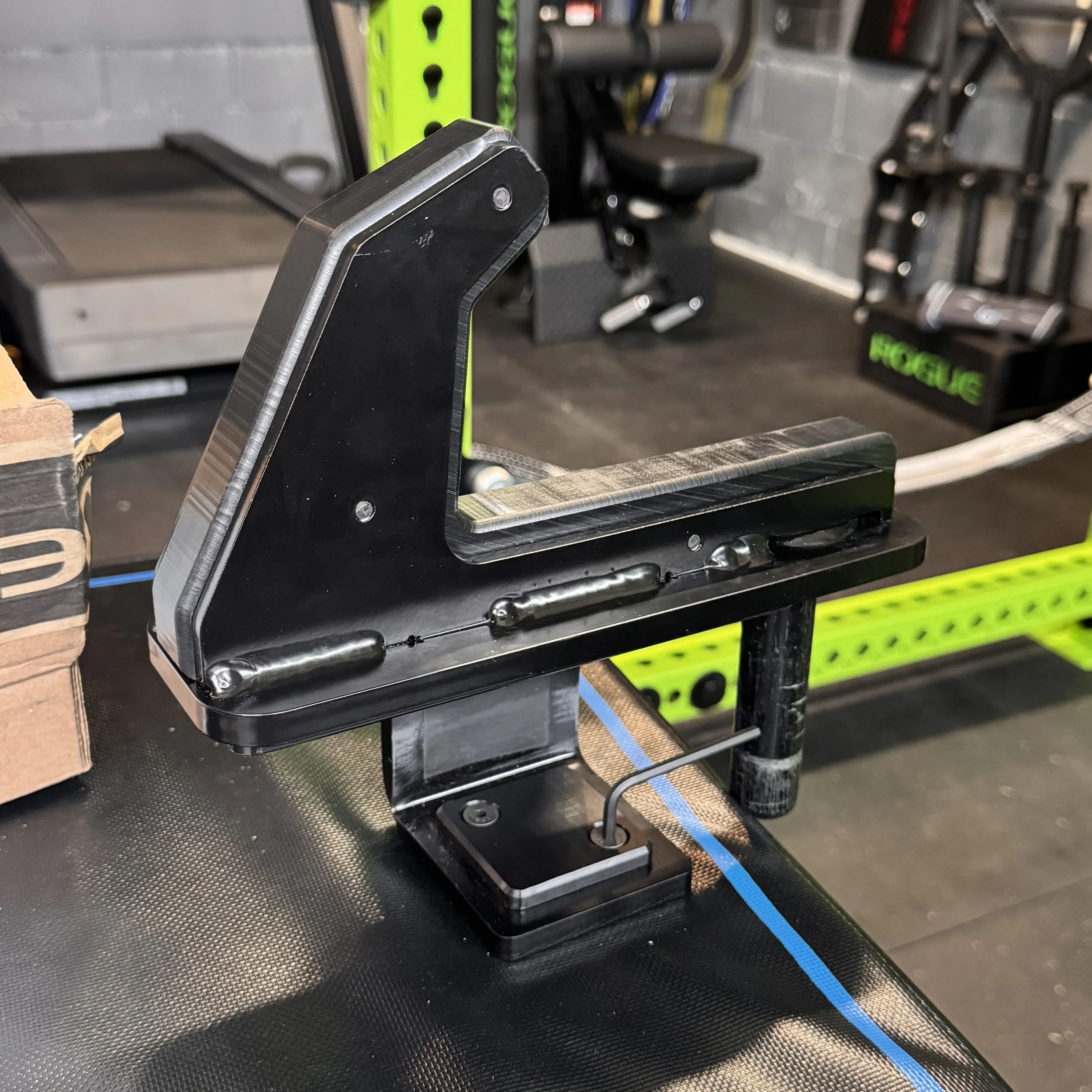
Film it first. Before you do anything else, get your phone out and film the j-cup not sliding onto the upright. Show yourself applying hand pressure. Show the gap or resistance. This video is your support ticket, and Rogue will ask for it. Contact Rogue support. Reach out through Rogue's support channel and describe the issue. Attach the video. In my experience they respond quickly and take it seriously. Wait for their assessment. Rogue will review your video and determine if the fit is within tolerance or not. In my case, they decided it was out of tolerance and offered to fix it.
Receive and use the calibration kit. If Rogue determines there's a fit problem, they'll send a calibration kit. Work through the UHMW sizes until you find the one that slides cleanly. Report back which size works. Rogue ships the fix. Once you've identified the correct UHMW thickness, Rogue will send the appropriately-sized liner to replace the one that was out of spec.
What's In the Rogue Calibration Kit
The kit isn't anything exotic. It's a simple diagnostic tool. Here's what Rogue includes:
UHMW pieces: 8 total, 4 sizes, 2 per j-cup
UHMW shim tape: For fine-tuning fit after sizing
Allen wrench: For reassembly
Spare screws: In case you need extras
Instructions: 2 pages, straightforward
The logic is straightforward: swap out the UHMW liner in your j-cup with each of the four calibration pieces, and try sliding it onto the upright each time. The piece that allows a clean, smooth slide with normal hand pressure is the correct thickness for your upright. That information tells Rogue exactly what to send you.
Think of it as a go/no-go gauge made from four pieces of plastic. It's simple, but it's the right tool for the job.
How the Testing Works
The instructions Rogue includes are two pages and pretty self-explanatory, but here's the process:
Remove the existing UHMW liner from the j-cup. The liner is held in by screws, and the allen wrench in the kit is for this.
Insert the first calibration piece and attempt to slide the j-cup onto the upright.
Work through the sizes from largest to smallest. Note what happens with each: no movement, slight movement, smooth slide, or sloppy/loose.
Identify the correct size. You're looking for the one that slides cleanly with normal hand pressure, no forcing.
Use the shim tape if needed to fine-tune the fit once you're close.
In my case, I ended up on the second-largest size. The difference from the original liner was less than a millimeter, but that's all it took. The j-cup went from immovable to perfectly smooth. What you're looking for is a smooth slide with normal hand pressure. Not forcing it down, not so loose it flops around. Controlled and clean.
A Word on Rogue's Support
I want to be straightforward here: this isn't a sponsored piece, and Rogue isn't paying me to say this. But in my experience, across multiple issues over the years, Rogue has consistently done the right thing when something wasn't right. They didn't ask me to ship the j-cup back. They didn't argue about whether it was within tolerance. They reviewed the video, made a call, and sent a fix. The calibration kit itself tells you they've thought this problem through. It's not an improvised solution, it's a proper diagnostic process. Rogue costs more than some alternatives. In my experience, the support is part of what you're paying for. I've never had a situation where they couldn't make it right.
Does This Happen Often?
In my time running Rogue equipment, this was the first time I had a genuine fit issue with a sandwich j-cup. I've heard of ghost rollers occasionally coming in too tight or too loose, and rollers actually need to be on the tighter side so they don't slide up under load. But sandwich j-cup fit problems seem to be uncommon. That said, when I went looking for information on this specific issue, I couldn't find much. That's part of why I made the video and wrote this article. If it happens to you, you shouldn't have to figure it out from scratch.
What to Do If Your Rogue Sandwich J-Cup Is Too Tight
Don't force it. Mallet installation can damage your powder coat over time. Remember to film the issue before contacting Rogue. Show the j-cup on the upright, show yourself applying pressure, show the resistance. Contact Rogue support and share the video (easier if the Rogue support chat bubble is green on the website). They'll tell you whether it's within tolerance. If it's out of tolerance, they'll send a calibration kit. Work through the four UHMW sizes until you find the one that slides cleanly. Report your result and Rogue will ship the calibration kit as the permanent fix.
This applies to any j-cup variety, not just Monster sandwich j-cups. If your sandwich j-cups are too tight regardless of type, the process is the same: film it, contact Rogue, calibrate.
I hope this helps anyone that may be in need.
- Drew
Iron & Lime Fitness
Let's Talk
Subscribe and hit the notification bell so you don't miss the tour next week. And if you've done a gym refresh of your own, drop a comment - we'd love to hear what made the biggest difference for you, drop a comment below or message me on Instagram (@ironandlimefitness) or Facebook. I reply to everyone because this stuff matters-your money, your training, your goals.
Support the Garage Grind:
This is a family-run operation. I do the videos, the editing, the writing, the filming, the socials, the marketing, the blogging, the website, and obviously the training-all while balancing a full-time job and three kids who just want to hang out.
If this review helped you make a decision or gave you information you couldn't find anywhere else, hitting Like and Subscribe is the best way to keep this thing going. No ads, no sponsors, no BS-just real reviews from a real gym.
If you want to shop my Rogue link and support the shop, head to the Rogue Fitness site.
Let's train hard and stay consistent.
Strength for Life. Fitness for All.
Barbells and Balance Things:
Watch the full video review on our YouTube channel
Rogue Sandwich J-Cup Too Tight? Here's How to Fix It (Calibration Kit Explained)
More Articles here:
Home Gym Makeover: How We Transformed Our Home Gym - Paint, Layout, and a Long-Awaited Delivery
Kensui Sapporo Swiss Bar & Calibrated Gold Plates Review: Worth It for Home Gyms?
Rogue Fitness CTM-1 Review: Is it better than the Rep Adonis Cable Tower for Home Gyms?
Moving the FM-6: Why Garage Gyms Must Evolve (And How to Survive the Move)
American Barbell 10-Sided Urethane Dumbbells Review: Commercial Luxury or Financial Mistake?
Here's Why I Wouldn't Buy The Rogue FM-6 Again: Rogue FM-6 Long-Term Review
Rogue Mutant Metals Ultimate Dip Attachment Review (1 Year Later): Is It Really Worth $365?
Rogue Kabuki Transformer Bar Review
Rogue Manta Ray Adjustable Bench Review
Rogue FM-6 Twin Functional Trainer Review
American Barbell Dumbbell Set and Rack Review
“Best Budget Gear for Building a Garage Gym”
Bells of Steel Safety Straps Review: A Perfect Fit for the Rogue FM-6
Train hard. Live bold. Stay lime.